KIWI NYMPHING TECHNIQUES WITH ROB VAZ
Euro Nymphing has been around for a while now, not because it is the only method, but because it is another string to the angler’s bow. It’s a very effective method of catching fish and a whole new way to get excited about fly fishing while rediscovering water that you may have previously found void of fish.
These techniques now form a longer list of names — Modern Nymphing, Spanish, French, and, in my backyard, I’ve coined this “Kiwi Nymphing”. And why not! As a previous competition angler representing NZ, I have seen many variations of these techniques, although the same essential principles apply.
Firstly, a few points on Kiwi Nymphing:
1) THE SET-UP
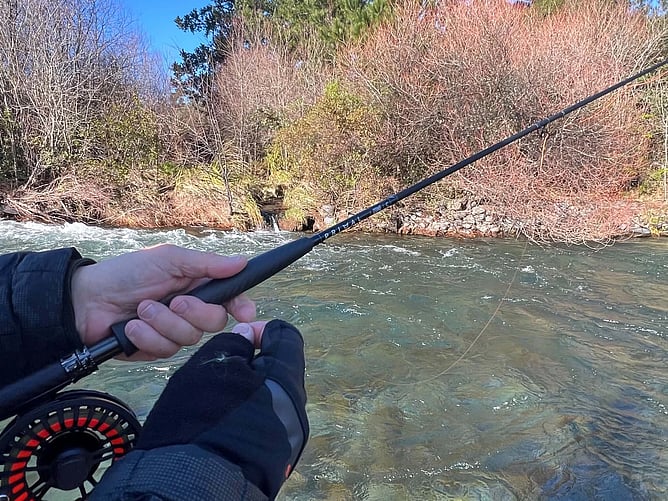
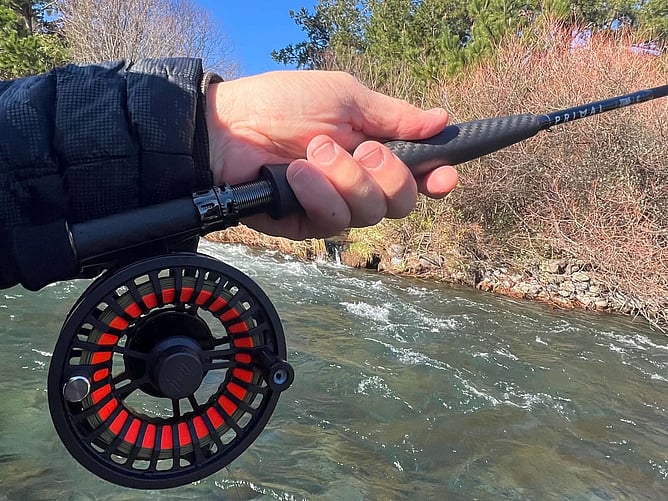
This usually involves using a full-frame, balanced reel such as the Manic, Fly Lab Focus Euro reel. , Euro Nymphing-specific fly rod from 10 to 11 feet — 2, 3 or 4 weight — is preferred, such as the new Primal Zone CCC.
I like to use very light fly lines with a low diameter, like the Airflo SLN Euro Nymphing fly line. The fly line then runs into coloured sections of high-vis or bi/tri-coloured leader (the same diameter all the way through). This forms the very important sighter.
The sighter replaces what we commonly call the strike indicator, i.e. wool or a dry-dropper set-up. From the hi-vis leader, I run the appropriate tippet (TroutHunter is great), depending on the size of the river, its volume, previous knowledge of the size of fish, and the type of water.
I find the business end is using the correct-strength tippet and the right-size bead on barbless flies to detect takes.
2) GOOD CONTACT
I notice when guiding people that finding success is often determined by an ability to detect and respond quickly to takes. Many times, slack line results in a lack of contact with the fish or a poor hook set.
Maintaining a good, tight line allows for instant detection of a take. I was once told that fish do not have hands, so they use their mouths to taste and feel food. Within seconds, a fish can take in and spit out your fly.
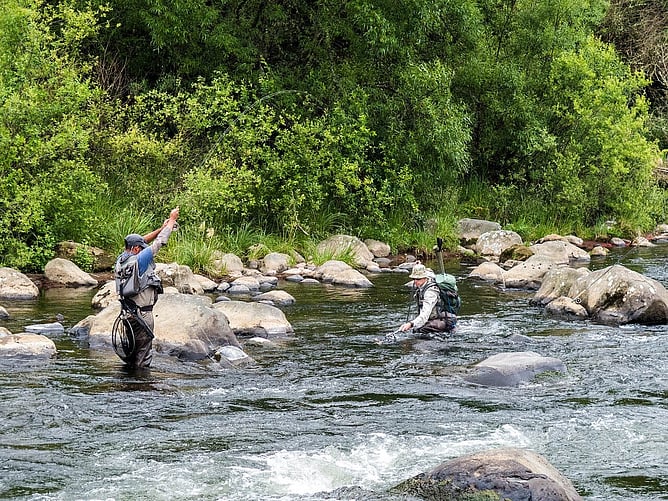
Using the correct rod angles and not overcasting will help maintain good contact.
And look at animating some of the drifts alternately.
3) READING THE WATER
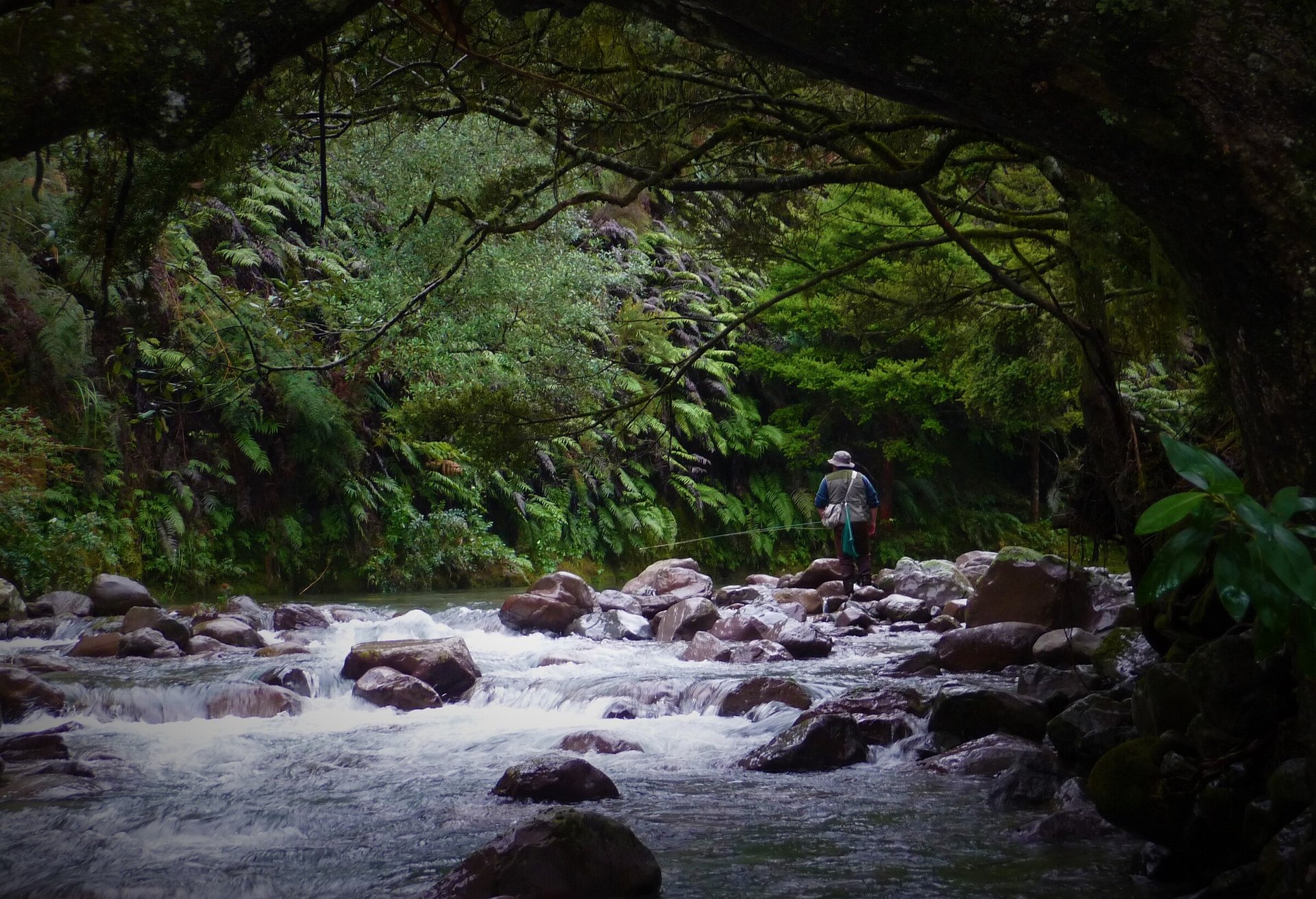
A key aspect of any fishing is the ability to fish productive water by reading the river and understanding where fish will be lying in all types of conditions.
For example, when the river is swollen after rain, fish can hold closer to a bank. For me, it is about reading the speed of the water and targeting water where fish can move in and out to find food and shelter.
Hydrology is the aspect of learning to read micro-currents — how the nymphs drop into a piece of water and drift. Importantly, it is about maintaining a natural-looking fly coming downstream, representing the normal nymph cycle.
4) CHANGE YOUR FLY
It can be easy to keep the same set-up and fish all day — yet miss a heap of fish because you’re fishing too heavy or too light.
Always adjust your flies to suit the depth you are fishing, or use the appropriate weight to suit the conditions.
The Manic Fly Collection has a great range of nymphs suitable for Euro Nymphing. It’s also important to realise it’s not all about the “bling” of the fly pattern; it’s more about the correct size, silhouette, and weight of the pattern you choose.
Go out and have some fun! and get in touch if your after more information this season.
Rob Vaz